
Hyperpigmentation Treatment in Dubai
Dark spots rarely have one simple cause. Sun exposure, breakouts, irritation and hormonal changes can all leave extra colour behind. Treatment at EDEN AESTHETICS Clinic starts with a close look at your skin, history and previous treatment. From targeted skincare to carefully selected laser options, the aim is a more even skin tone without over-treating the skin.
What Is Hyperpigmentation?

Hyperpigmentation is the name for areas of skin that look darker than the surrounding skin. It happens when pigment cells produce or distribute more melanin than usual. The colour may appear as small brown spots, larger patches or a general uneven skin tone.
The cause matters. Common types include sun-related pigmentation, melasma and post-inflammatory marks left after breakouts, eczema or an injury. Some colour sits near the surface; some lies deeper. That difference affects which treatments may help and how long fading takes. An assessment also separates cosmetic skin pigmentation from a changing lesion that needs medical review.
How Hyperpigmentation Treatment Works?
Treatment hyperpigmentation plans work by slowing excess colour production, helping surface marks clear and controlling the trigger. For post acne hyperpigmentation treatment, that means treating active breakouts too. For melasma, daily light protection and maintenance matter as much as an in-clinic procedure.
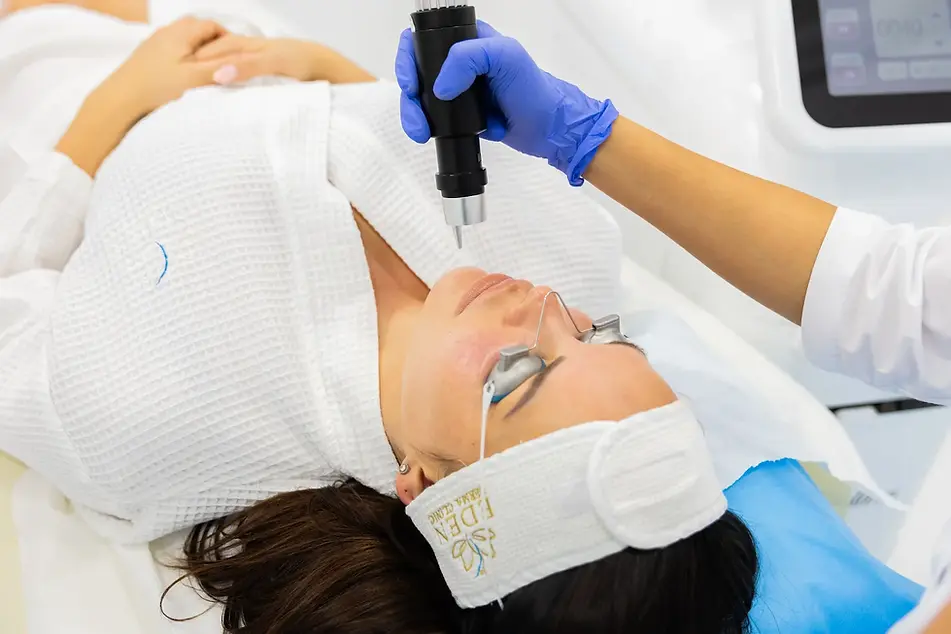
Depending on the diagnosis and skin type, a plan may use prescription products, chemical peels or advanced energy-based treatments. A hyperpigmentation laser treatment directs controlled energy towards selected discolouration, which the body clears over time. Laser treatment isn’t right for every mark. Darker skin contains more melanin, so device choice, settings and preparation need extra care to reduce burns, light marks or fresh pigmentation.

Key Benefits of Hyperpigmentation Treatment
Fades the look of stubborn dark spots
Supports a clearer, more even skin tone
Targets the cause, not colour alone
Adapts to different pigmentation types and depths.
Supports gradual, natural-looking surface renewal
Combines advanced options in one tailored plan
Builds confidence with realistic treatment goals

Who Is an Ideal Candidate?
Hyperpigmentation treatment may suit people with persistent, flat areas of discolouration who want a clearer, more even-looking skin tone. A consultation helps identify the cause and choose a safe approach for your skin type.
Have dark spots left behind after acne
Want professional support for managing recurring melasma
Notice sun-related pigmentation on exposed skin
Need treatment suited to a darker skin tone
Have uneven patches following irritation or inflammation
Have tried skincare without seeing enough improvement
What Areas Can Be Treated?
Pigmentation can develop anywhere after sun, friction or inflammation. The approach changes with the area because body skin can be thicker, slower to respond and more prone to repeated irritation.
Face
A hyperpigmentation face treatment may address sun spots, hormonal colour, uneven patches and marks left after breakouts. The best treatment for hyperpigmentation on face depends on whether the colour is superficial, deep or still being triggered.
Neck and Décolletage
These exposed areas often collect sun-related colour over time. Treatment is planned conservatively because neck and chest skin may react differently from facial skin.
Underarms and Inner Thighs
Friction, shaving, irritation and inflammation can darken folds. The first step is to identify and reduce the trigger before starting a body hyperpigmentation treatment.
Back and Shoulders
Breakouts, folliculitis and sun exposure can leave widespread spots. Active inflammation needs control so new marks don’t replace the ones being treated.
Hands and Arms
Sun-exposed skin may develop scattered pigment and age-related spots. A consultation confirms which marks are suitable for cosmetic treatment and which should be examined by a physician.
What to Expect and When
Results Timeline & Longevity
After Treatment
Skin may feel warm or sensitive. Mild redness, dryness or temporary darkening can occur, depending on the treatment used.
The First Few Days
Mild redness, warmth, dryness or temporary darkening may occur. Avoid picking or scrubbing the treated skin.
2 to 8 Weeks
Dark spots may begin to fade as the skin renews. Deeper pigmentation may require several sessions.
3 Months and Beyond
Results become clearer over time. Sunscreen, skincare and maintenance treatments help manage recurring pigmentation.
Aftercare & Safety Information
Treat the area gently after a procedure. Use the cleanser, moisturiser and recovery products advised. Avoid exfoliating acids, retinoids, fragranced products, hot showers, steam rooms and strenuous exercise for the stated period. Don’t pull at flakes or crusts; that can cause new marks.
Daily sun protection is non-negotiable in Dubai. Apply broad-spectrum SPF 30 or higher to exposed skin and reapply when outdoors, sweating or swimming. Tinted sunscreen containing iron oxide may add protection from visible light, which can worsen melasma and pigmentation in darker skin tones. A hat and shade still matter.
Contact the clinic if pain, swelling, blistering, discharge or worsening redness develops. Mild sensitivity can be expected after some treatments, but severe or persistent symptoms need prompt advice. Follow the plan given at your appointment rather than adding strong products at home.
FAQs — Hyperpigmentation Treatment
Common questions about Hyperpigmentation at EDEN AESTHETICS Clinic
Book Your Hyperpigmentation Treatment in Dubai
Contact Information
Phone
+971 52 856 9945 (Arabic)
+971 55 687 5874 (English)
Hours
Sunday-Friday 10am - 8pm
Sat 10am - 7pm
Our multilingual team speaks English, Arabic, and Russian