
Peptides, Stem Cells and Autism Spectrum Disorder: Current Research and Scientific Perspectives

Updated: Aug 24
Autism Spectrum Disorder (ASD) is a complex neurodevelopmental condition that affects communication, behaviour, and social interaction. Current clinical care focuses on behavioural, educational, and supportive interventions tailored to the individual's needs. Researchers continue to investigate the biological mechanisms associated with ASD, including mitochondrial function, immune signalling, and the gut–brain axis, although these areas remain under active scientific investigation.
Researchers are studying peptide- and stem cell-based approaches to better understand their potential role in ASD. However, these approaches remain investigational for autism, and current clinical evidence is limited. Additional high-quality clinical trials are needed before their role in routine clinical care can be established.
This article provides general educational information about current research involving peptides and stem cells in ASD. It should not be interpreted as medical advice or as a recommendation for any specific treatment.
Medically reviewed by Dr. Ehsan Sotoudeh, MD – General Surgeon & Regenerative Medicine Expert
Last medically reviewed: July 27, 2026

Current Research into the Biology of Autism Spectrum Disorder
For many years, Autism Spectrum Disorder (ASD) was primarily understood through its behavioural and developmental characteristics. Today, researchers continue to investigate a wide range of biological processes that may contribute to the complexity of ASD in some individuals. These areas of research include mitochondrial function, immune signalling, metabolism, genetics, and the gut–brain axis. However, ASD is a highly heterogeneous condition, and no single biological mechanism has been established as the cause for all individuals.
Some studies have reported evidence of altered mitochondrial function in a proportion of individuals with ASD. Mitochondria are responsible for producing energy within cells, and researchers continue to investigate whether changes in mitochondrial biology may be associated with certain biological features observed in some individuals with autism. Findings vary between studies, and these changes are not present in every person with ASD.
Researchers have also investigated whether altered mitochondrial function may be associated with:
Oxidative stress
Changes in cellular energy production
Differences in neurotransmitter signalling
Alterations in immune and inflammatory pathways
Current research continues to explore whether these biological processes may contribute to certain features of ASD. However, the relationships between these findings and clinical symptoms remain an area of ongoing scientific investigation.
The Gut–Brain–Mitochondria Axis in Autism
Some researchers have proposed a gut–brain–mitochondria framework to explore possible interactions between gastrointestinal function, immune signalling, mitochondrial biology, and neurological development. This model continues to be investigated, and its clinical significance has not yet been fully established.
One proposed research model describes the following sequence of biological events:
Alterations in the gut microbiome
Changes in intestinal barrier function
Movement of microbial metabolites into the bloodstream
Biological responses involving immune and neurological signalling
Investigation of potential effects on mitochondrial function and neuronal biology
Researchers continue to study whether interactions between gastrointestinal function, immune signalling, metabolism, and neurological development may contribute to ASD in some individuals. Although these biological pathways are an important area of ongoing research, additional high-quality studies are needed to better understand their clinical significance and whether they may influence future therapeutic approaches.
Peptides and Autism Spectrum Disorder: Current Research
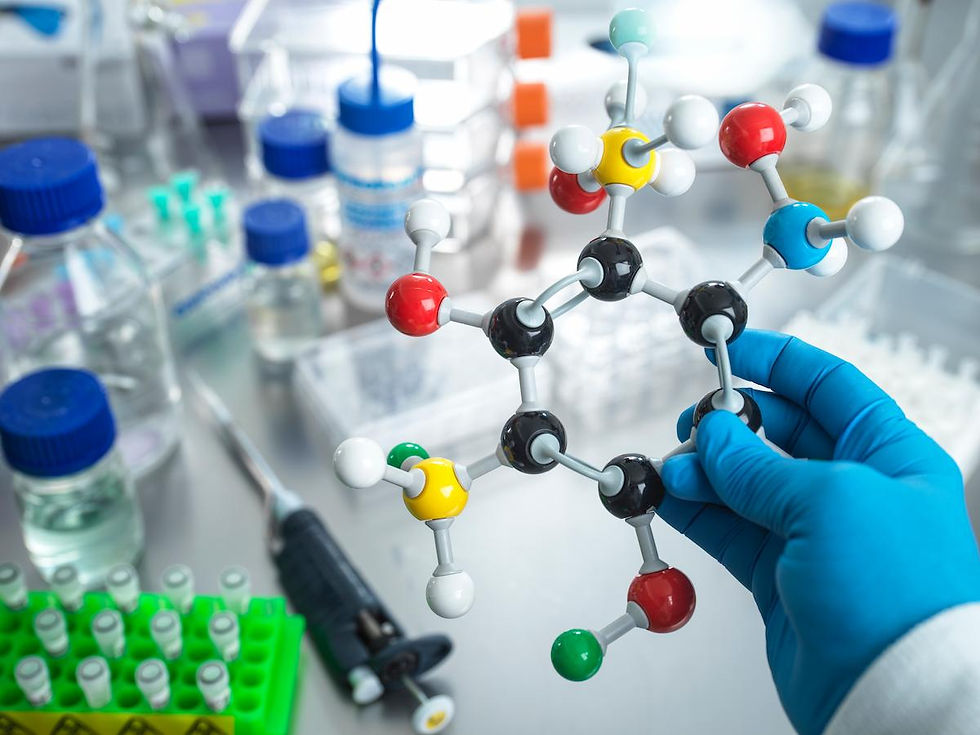
Peptides are short chains of amino acids that may function as biological signalling molecules within the body. Researchers continue to investigate their potential roles in a wide range of biological processes. However, the available scientific evidence differs considerably between individual peptides, and many peptide-based approaches remain investigational for Autism Spectrum Disorder (ASD).
Current research is exploring whether certain peptides may influence biological pathways that have been studied in ASD, including neurotransmission, immune signalling, mitochondrial function, gastrointestinal physiology, and sleep regulation. At present, there is insufficient evidence to support the routine clinical use of peptide-based therapies for ASD, and further high-quality clinical studies are needed.
Below are examples of peptides that have been investigated in scientific research.
Selank
Selank is a synthetic peptide that has been investigated in laboratory and clinical research for its potential effects on neurological signalling pathways. Some studies have explored its interaction with neurotransmitter systems, including GABA, dopamine, and serotonin. However, its potential role in Autism Spectrum Disorder remains investigational, and current clinical evidence is limited.
Thymosin Alpha-1 (TA1)
Thymosin Alpha-1 is a peptide that has been studied for its interactions with the immune system. Researchers continue to investigate its biological effects in various medical conditions. Although immune function has been explored as one area of autism research, there is currently insufficient evidence to support the routine use of Thymosin Alpha-1 for ASD.
BPC-157
BPC-157 is an investigational peptide that has been studied primarily in laboratory and animal research. High-quality human clinical evidence remains limited, and its regulatory status varies internationally. Although researchers have explored its biological properties, its potential role in Autism Spectrum Disorder has not been established.
MOTS-C
MOTS-C is a mitochondria-derived peptide that is being investigated for its role in cellular metabolism and mitochondrial biology. Because mitochondrial function is one area of ongoing autism research, scientists continue to study whether mitochondria-related peptides may have future clinical relevance. Current evidence remains limited.
SS-31 (Elamipretide)
SS-31 (Elamipretide) is an investigational peptide that has been studied for its interaction with mitochondrial function. Research is ongoing in several medical fields, but its potential role in Autism Spectrum Disorder has not been established, and additional clinical studies are required.
DSIP (Delta Sleep-Inducing Peptide)
DSIP is a peptide that has been investigated for its possible role in sleep-related biological processes. Because sleep disturbances are common in individuals with ASD, researchers continue to study this area. However, there is currently insufficient evidence to support the routine clinical use of DSIP in autism.
Oxytocin
Oxytocin is a naturally produced neuropeptide involved in social and behavioural processes. It has been one of the most extensively studied neuropeptides in Autism Spectrum Disorder. Although some clinical studies and meta-analyses have reported mixed findings, the overall evidence remains inconclusive, and additional high-quality research is needed before routine clinical use can be recommended.
Gastrin-Releasing Peptide (GRP)
Gastrin-Releasing Peptide (GRP) has been investigated in limited clinical research exploring gastrointestinal and neurological signalling. Although preliminary studies have reported findings that warrant further investigation, current evidence remains insufficient to establish a routine clinical role for GRP in Autism Spectrum Disorder.
Mesenchymal Stem Cells and Autism Spectrum Disorder: Current Research
Mesenchymal stem cells (MSCs) are being investigated in clinical research for a variety of medical conditions, including Autism Spectrum Disorder (ASD). Although early clinical studies have explored their potential role, stem cell-based approaches for ASD remain investigational, and current evidence is limited. Additional well-designed clinical trials are needed to better understand their potential clinical role, limitations, and risk profile.
Researchers are studying MSCs because they release a variety of biologically active molecules involved in cellular communication. Current research suggests that many of their biological effects may occur through paracrine signalling, in which cells release signalling molecules that interact with surrounding tissues rather than directly replacing damaged cells.
Current Research into Mesenchymal Stem Cells
Preclinical and early clinical research has investigated whether MSCs may influence biological processes associated with ASD, including:
Immune signalling
Cellular communication
Neurotrophic signalling pathways
Mitochondrial biology
Neuronal function
These biological mechanisms continue to be investigated, and their relationship to clinical outcomes has not been fully established.
Current Clinical Evidence
Several early-stage clinical studies have evaluated stem cell-based approaches in Autism Spectrum Disorder. While some studies have reported changes in clinical assessment scores, findings have been inconsistent, study populations have generally been small, and additional high-quality randomized controlled trials are required before conclusions can be drawn regarding routine clinical use.
At present, stem cell-based therapies for ASD remain investigational in most countries and should not be considered established treatments.
Stem Cell-Derived Exosomes
Researchers are also investigating extracellular vesicles, commonly known as exosomes, released by mesenchymal stem cells. These vesicles contain a variety of biological molecules involved in cellular communication and continue to be studied across multiple areas of regenerative medicine.
Although laboratory and animal studies have reported encouraging findings, evidence in humans remains limited. The potential clinical role of stem cell-derived exosomes in Autism Spectrum Disorder has not yet been established, and additional research is needed.
Individual Medical Assessment
Because Autism Spectrum Disorder is highly heterogeneous, every individual presents with different clinical characteristics and support needs. Any discussion regarding investigational therapies should begin with a comprehensive medical assessment, including a review of medical history, current interventions, available scientific evidence, and the regulatory status of the specific product being considered.
Lifestyle and Supportive Care
Current evidence-based management of Autism Spectrum Disorder includes behavioural, educational, and supportive interventions tailored to the individual's needs. Researchers also continue to investigate the relationship between nutrition, sleep, gastrointestinal health, metabolism, and overall health in individuals with ASD. These areas remain active fields of scientific research, and recommendations should be individualized under the guidance of qualified healthcare professionals.
Ongoing Research
Research into Autism Spectrum Disorder continues to evolve, with scientists investigating genetic, neurological, metabolic, immunological, and environmental factors that may contribute to the condition. Peptide-based therapies, stem cell-based approaches, and exosome research are among the areas currently being studied. However, many of these approaches remain investigational, and additional high-quality clinical research is required to better understand their potential role in future clinical practice.
Frequently Asked Questions
Can peptide therapy cure autism?
No. There is currently no cure for Autism Spectrum Disorder. Peptide-based approaches remain investigational for ASD, and current evidence is insufficient to support their routine clinical use.
Are stem cell therapies approved for autism?
The regulatory status of stem cell-based therapies varies between countries. In many jurisdictions, stem cell therapies for Autism Spectrum Disorder remain investigational and are not considered established treatments.
What should patients know about potential risks?
Potential risks depend on the specific product, the individual's medical history, and the intended clinical use. Patients should discuss the available scientific evidence, potential risks, and regulatory considerations with a qualified healthcare professional before considering any investigational therapy.
Why is mitochondrial function being studied in autism?
Researchers continue to investigate mitochondrial biology because some studies have reported differences in mitochondrial function in a proportion of individuals with ASD. However, findings vary, and the clinical significance of these observations remains under investigation.
Medical Disclaimer
This article is provided for general educational purposes only and does not constitute medical advice. The peptide-, stem cell-, and exosome-based approaches discussed are areas of ongoing scientific research. Many remain investigational for Autism Spectrum Disorder, and their regulatory status varies between jurisdictions. Any treatment decisions should be made in consultation with appropriately qualified healthcare professionals.

and get a Welcoming Voucher for
Your First Treatment Call us Now
EDEN AESTHETICS Clinic Dubai +971 4 577 4796


